“Everyone else has it sorted.”
Separate what we can see from what we are assuming about another person’s life.

SELF-WORTH · IDENTITY · DIGITAL PERSPECTIVE
Your worth is not a competition.
A highlight reel. A test result. Someone else’s success. This 50-minute session helps young people notice comparison, recognise their own strengths and choose a fairer way to see themselves.
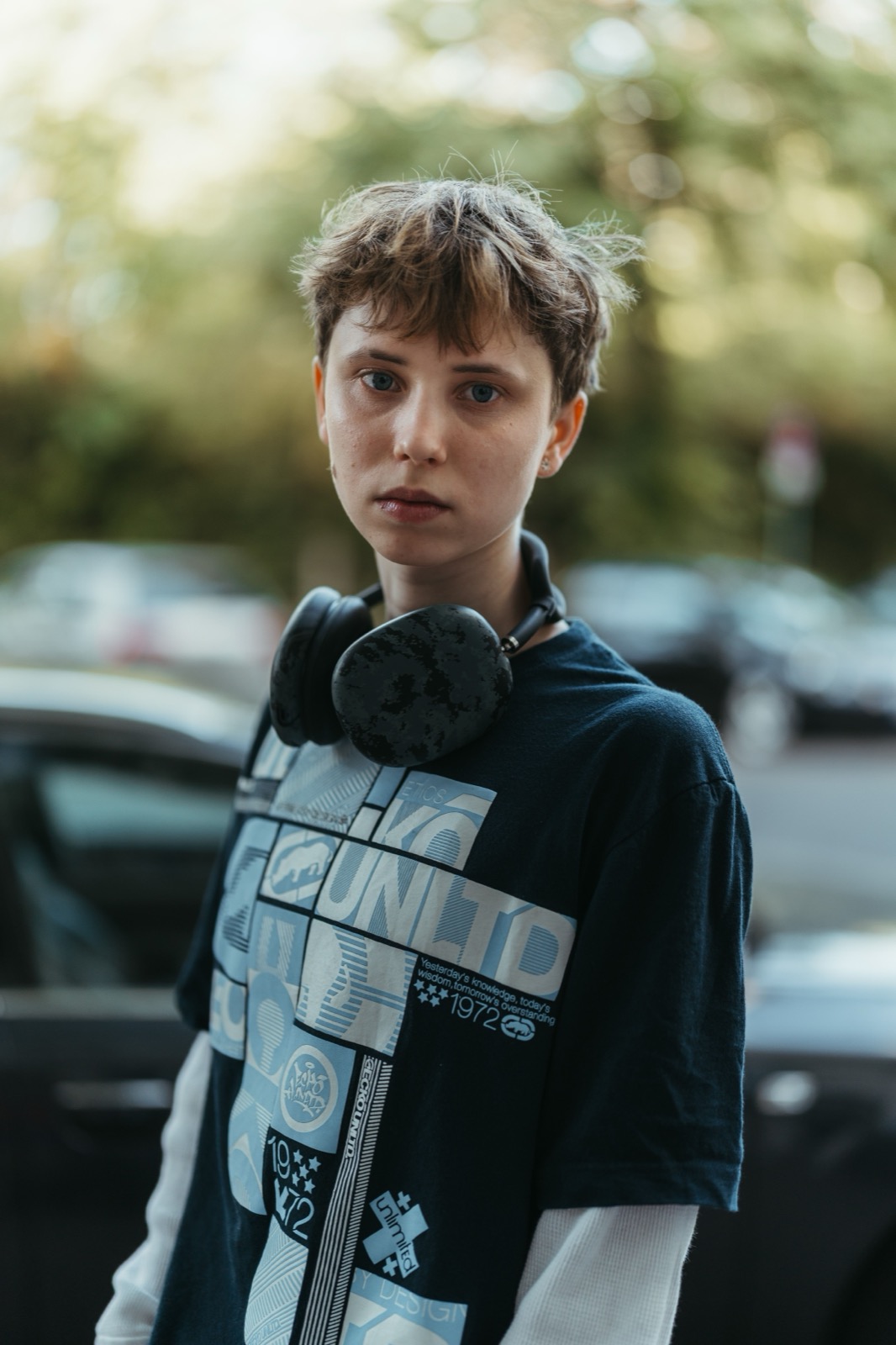
Someone else’s success
does not make you less.
REAL PRESSURES. PRACTICAL LEARNING.
Comparing can provide information, but it can also turn into harsh self-judgement. Pupils explore how edited images, popularity and achievement can hide the fuller picture, and how to notice strengths that are not measured in likes or rankings.
Separate what we can see from what we are assuming about another person’s life.
Explore why online reactions are not a reliable measure of someone’s value.
Practise a more specific, kinder response that leaves room for learning and progress.
Fictional scenarios for discussion. Pupils are not asked to disclose personal experiences.
WHAT WE EXPLORE
Notice where comparisons happen and how they can affect feelings and behaviour.
Discuss what a post, result or first impression can leave out.
Recognise interests, qualities and contributions beyond appearance or status.
Focus on a personal goal, supportive connection or healthier digital habit.
WHAT PUPILS WILL PRACTISE
Storytelling, guided discussion and practical activities help young people explore the theme. By the end, pupils will have had opportunities to:
INSIDE THE 50 MINUTES
A proposed structure, adapted with staff to the audience and format. Assemblies use guided reflection; smaller groups allow more discussion and practice.
Agree ground rules and introduce everyday comparison.
Discuss fictional examples and what information might be missing.
Distinguish facts from assumptions and practise kinder alternatives.
Develop a strengths statement, verse or progress card.
Check learning, identify support and set a manageable personal action.
THE RIGHT APPROACH FOR EACH AGE
Concrete examples about games, learning and friendship help pupils name strengths and practise kind self-talk. Digital examples are selected with staff for the year group.
Explore friendship, appearance, achievement and online popularity, distinguishing a curated impression from a whole life.
Consider identity, exam pressure and future pathways, with goals based on personal values rather than someone else’s timeline.
Content and accessibility are agreed with staff, including SEND adaptations. A school or youth-setting staff member remains present, with safeguarding and follow-up routes agreed beforehand. Pupils may pass, reflect quietly or seek support.
PSHE AND PERSONAL DEVELOPMENT
Use the session within PSHE, an enrichment day, an assembly or pastoral provision. Relevant learning themes include self-worth, understanding feelings, media literacy and healthy digital habits. Staff can revisit a fictional scenario or pupil action plan afterwards.
The session complements your school’s wider teaching and support. It is not counselling, a substitute for specialist support or a complete statutory curriculum.
TAKE THE NEXT STEP
A 50-minute session shaped around your group, with clear learning aims and space for their own voices.
Enquire about this session